Cornwall
Cornwall became an important center for my maternal line. My mother is virtual all Cornish or Irish, as per her DNA results. Connections to mining, trade, fishing and through our ancestry. Cornwall has a rich celtic history, and the parish records are now availbale online which is very convenient.
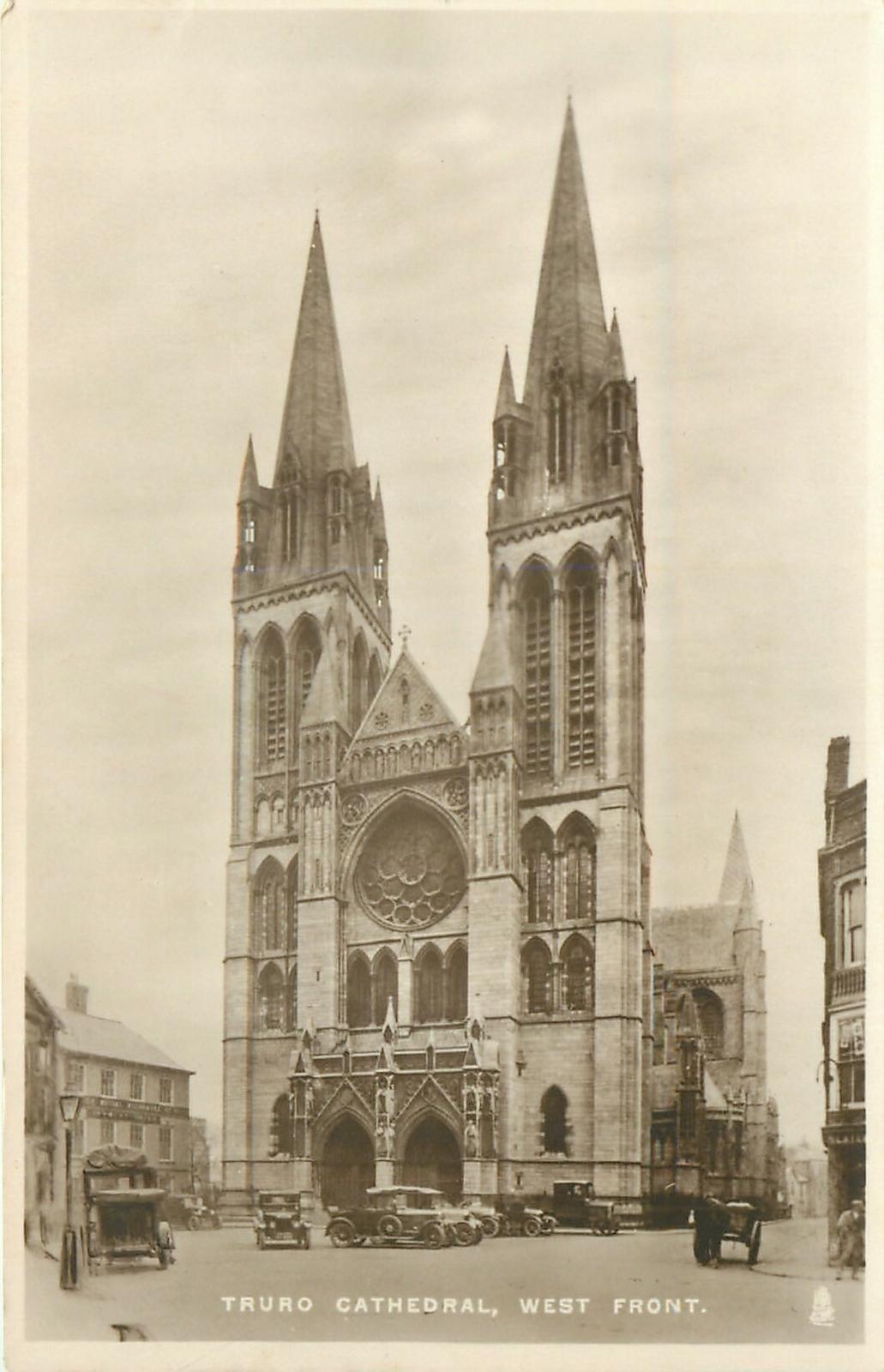
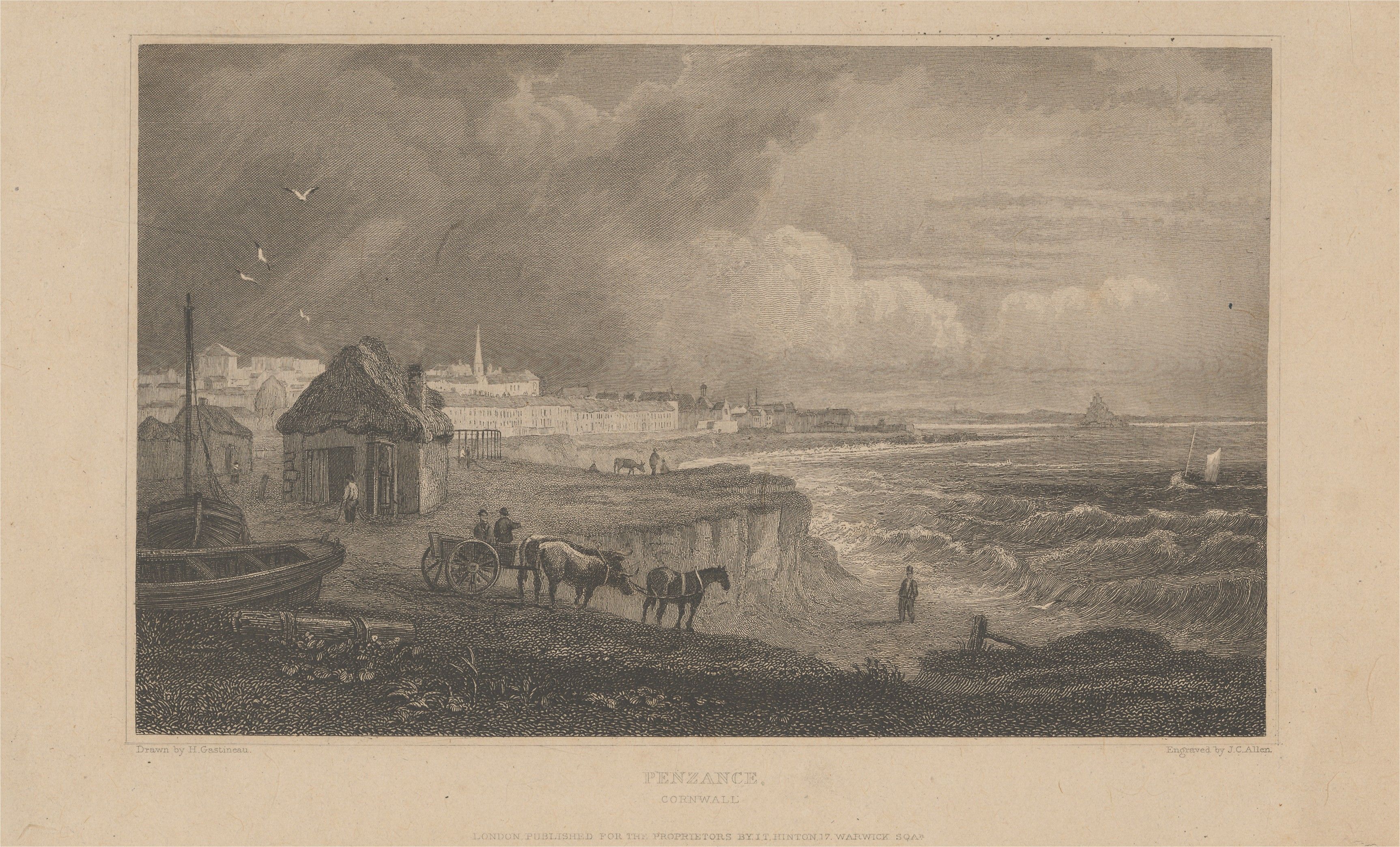
Research in Cornwall is extensive. It includes churchyard records, gravestone preservation, and early parish registers connected to multiple ancestral branches. From the mists of Bodmin Moor, to Penzance and all around. Cornwall makes up a large part of our family heritage.
Rhode Island & Massachusetts
New England has deep ancestry roots on my paternal side of the tree. They all orginally came from England to settle Portsmouth, Newport and Nagannasett County in Rhode Island. Between 1650-1750 my paternal ancestors were settling throughout New England. Their descendants are part of the Nova Scotia Planters.

Surnames of interest: Shermin, Earle, Mumford.

Mantioba & Ruperts Land
Manitoba holds a special place in my husband’s family history. His ancestors were citizens of the Red River Métis Nation, with family names including Lepine, Morand, and Parenteau. Among these notable connections is Ambroise-Dydime Lépine, a prominent Métis leader and close associate of Louis Riel, who was James's fourth great-uncle. From their Acadian roots to their role in the settlement of the Red River region, the Lambert family branch is rich in Canadian history and heritage. One of the featured individuals on this website, Alexander Henry (the Younger), is James's ancestor and a significant figure in the early fur trade. Henry left extensive written accounts of his experiences trading with Indigenous peoples throughout western Canada. His journals also document his marriage to an Indigenous woman and the family they built together, providing valuable insight into the origins and development of many Métis families in the Canadian West.

Research in Metis ancestry is extensive. It includes churchyard records, gravestone preservation, and early land scrip registers connected to multiple ancestral branches. From the Red River, to Alberta and all around. Canada makes up a large part of the Lambert family heritage.
Nova Scotia, Canada
Several of those Rhode Island family branches later immigrated to Nova Scotia, contributing to early settlement communities and maritime industries. They were called "Planters", and arrived in Nova scotia shortly after the Acadian expolsion, which includes people on my husband's branch of the tree. The Planters settled areas that were once ocuppied by the French. They began their own farming, business's and communities. Founding communities like Truro, Nova Scotia. Colchester County and other areas.
